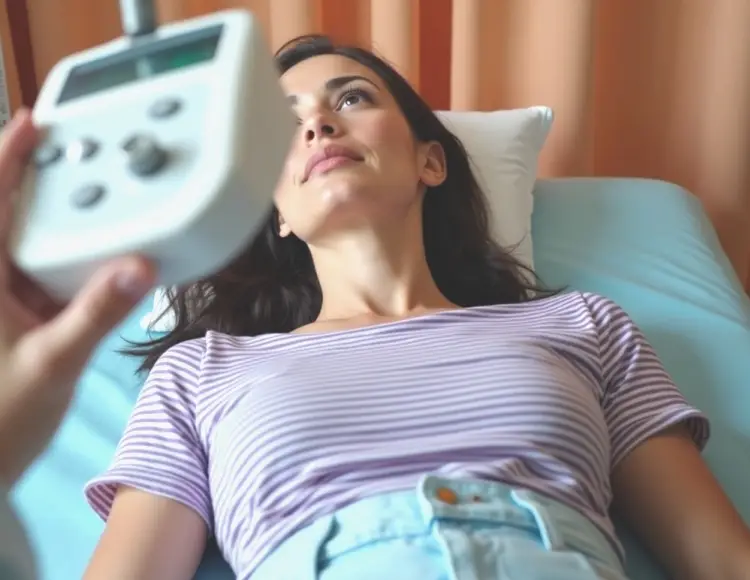
A DEXA scan test, also called Dual-Energy X-ray Absorptiometry, is commonly used to measure bone mineral density and help evaluate osteoporosis risk. At Charleston Women’s Wellness Center, this testing can be an important part of women’s gynecology and preventive health care, especially for patients with risk factors for bone loss, fracture concerns, menopause-related changes, or a family history of osteoporosis.
A DEXA scan uses low-dose X-ray technology to estimate how much bone mineral is present in key areas of the body. In general, denser bones are stronger bones. The results can help your provider better understand bone health, fracture risk, and whether additional monitoring, lifestyle changes, or treatment options should be considered.
DEXA Scan Basics
What to Expect During a DEXA Scan
DEXA scan testing is typically simple, non-invasive, and painless. Most patients can complete the test quickly and return to normal activities right away.
Why Bone Density Testing Matters
Osteoporosis can develop quietly, often without obvious symptoms until a fracture occurs. A DEXA scan gives your provider useful information before a serious bone health problem develops. For women in Charleston, SC, this test may be recommended as part of broader preventive care, especially when age, menopause, medication history, family history, or other risk factors are present.
DEXA testing may also be discussed alongside related women’s health services, including comprehensive gynecology care, menopause care, and other in-office evaluations such as urinary incontinence testing when appropriate for your health needs.
Schedule DEXA Scan Testing
If you are concerned about osteoporosis, fracture risk, bone loss, or changes related to menopause, Charleston Women’s Wellness Center can help you determine whether a DEXA scan is appropriate. Contact us to schedule an appointment or ask about bone density testing during your next visit.