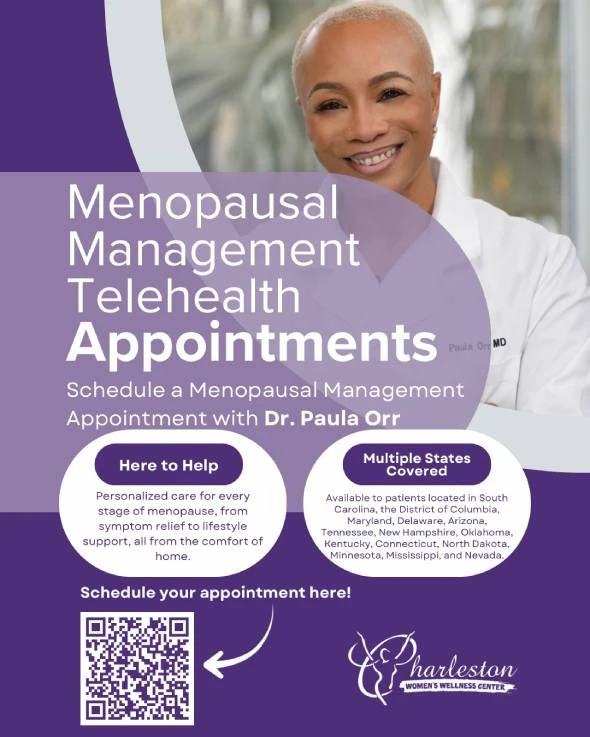
Personalized Care for Perimenopause, Menopause and Hormonal Changes
At Charleston Women’s Wellness Center, we provide menopause treatment and hormone care in Charleston, SC for patients dealing with hot flashes, night sweats, sleep disruption, mood changes, fatigue, low libido, vaginal dryness, brain fog, weight changes and other symptoms that may be related to hormone imbalance.
Menopause and hormonal changes are natural, but that does not mean you have to push through symptoms without answers. Our team takes time to review your health history, symptoms, lifestyle, goals and risk factors before discussing treatment options. When appropriate, we may also coordinate related gynecology services, wellness support and preventive screening to give you a more complete picture of your health.
Understanding Menopause and Hormonal Changes
Menopause is typically diagnosed after 12 consecutive months without a menstrual period. Many patients notice symptoms years earlier during perimenopause, when hormone levels may fluctuate. Others continue to experience symptoms after menopause. Because every patient is different, treatment should be individualized rather than one-size-fits-all.

Common hormone-related symptoms may include:
- Hot flashes and night sweats
- Mood changes, irritability or anxiety
- Fatigue and low energy
- Weight gain or slowed metabolism
- Decreased libido
- Sleep disturbances
- Brain fog or concentration issues
- Vaginal dryness or discomfort
- Changes in bone health or joint comfort
These symptoms can affect daily life, relationships, sleep, work and overall well-being. A consultation can help determine whether hormone imbalance, menopause, another gynecologic concern or a separate health issue may be contributing to your symptoms.
Our Approach: Personalized, Physician-Led Care
At CWW Center, treatment starts with a thoughtful evaluation. If hormone therapy is considered, it should be reviewed and monitored by a qualified medical provider who understands the potential benefits, risks and alternatives. Hormone therapy is not appropriate for everyone, and your plan should be based on your individual medical history and needs.
We may also recommend supportive services such as DEXA scan testing for bone density, nutrition and lifestyle guidance, pelvic health support or follow-up care through our women’s health and gynecology services.